
Planning Your Home Renovation & Scheduling the Trades
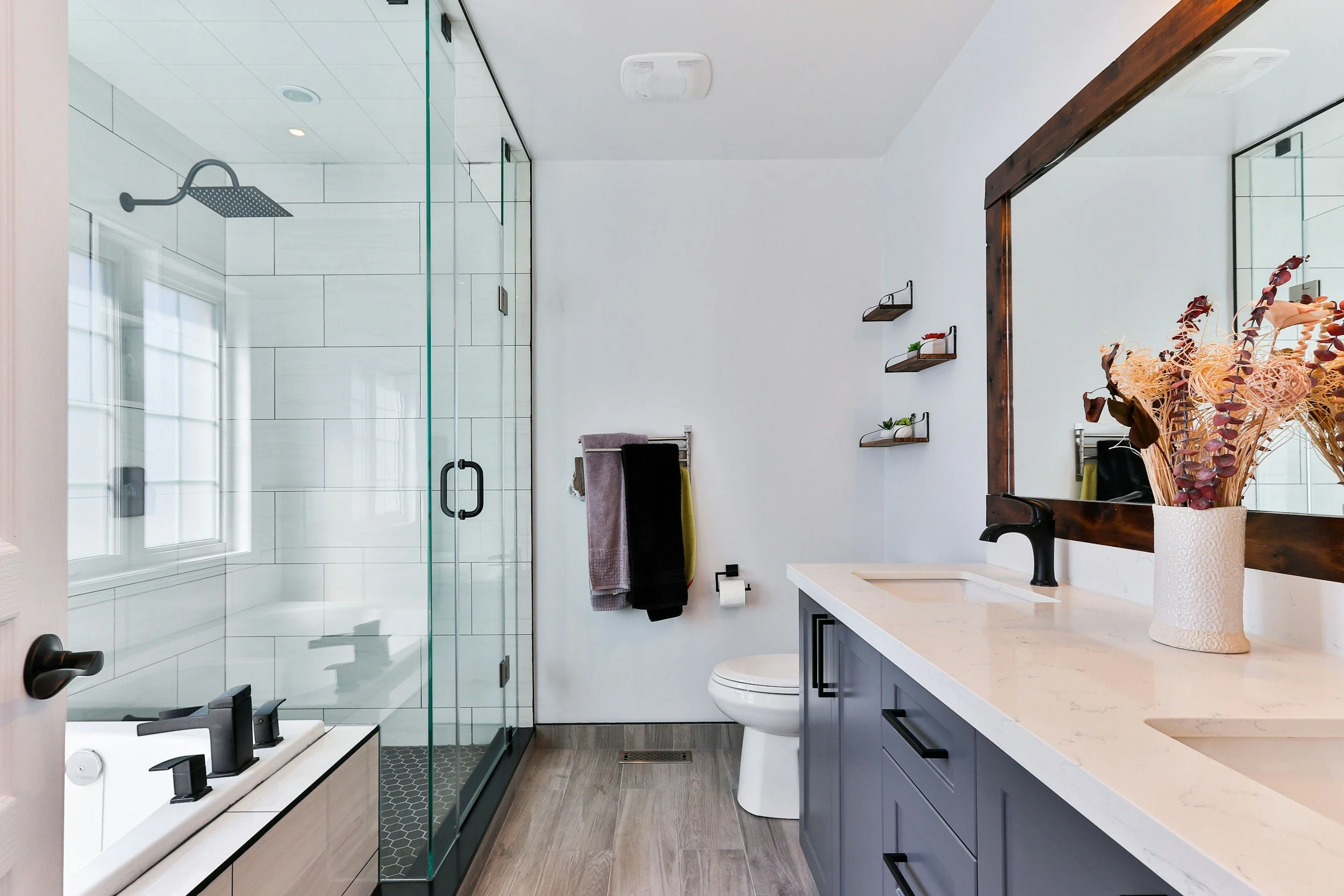
Planning a home renovation can feel overwhelming, especially when multiple trades are involved and timing matters. Whether you’re upgrading a kitchen, transforming a bathroom, installing a stove or removing walls and adding structural steel beams, the success of your project depends heavily on the order of work and how well each trade is scheduled.
In the North East of England, many homeowners search for trusted professionals such as a bathroom fitter, kitchen fitter, plumber, joiner, electrician, plasterer, or steel beam installer — but knowing when each specialist should be on site is just as important as choosing the right one.
This guide walks you through how to plan your renovation and correctly schedule trades — whether managed by your renovation company or coordinated by you as the homeowner.
Why Trade Scheduling Matters in Renovations
Renovation work is like a chain — if one link is delayed or installed at the wrong time, everything after it can suffer. Poor scheduling leads to:
Rework and extra cost
Damaged finished surfaces
Delays waiting for access
Trades working over each other
Failed inspections or unsafe installs
A professional home renovation company will normally manage this sequence for you — but many North East England homeowners choose to coordinate trades themselves to control budgets. Either approach works — if the trade order is correct.
Who Should Schedule the Trades — Company or Homeowner?
Renovation Company Managed
Best if you want:
A single point of responsibility
Less day-to-day coordination
Faster workflow
Reduced risk of trade clashes
Your builder or renovation company schedules the bathroom fitter, kitchen fitter, plasterer, and specialist installers in the correct order.
Homeowner Managed
Best if you:
Want to control costs
Already know reliable local trades
Are comfortable managing timelines
Can be available to supervise
Correct Trade Order for a Typical Home Renovation
Below is the recommended trade sequence for most kitchen, bathroom, and structural renovation projects.
Following this order prevents damage and ensures compliance and safety.
1. Builder / Demo Team
The project begins with strip-out and demolition.
Tasks include:
Removing old kitchens and bathrooms
Taking down walls or ceilings
Preparing openings for steel beams
Removing old plaster or render
Clearing floors and fixtures
If structural walls are being removed, your steel beam installer or structural builder may also be involved at this stage.
2. Plumber — First Fix
First fix plumbing happens before walls and floors are closed.
Includes:
Pipe runs
Drainage lines
Water feeds
Heating pipework
Bathroom layout pipe positioning
Kitchen sink and appliance feeds
Essential before boarding and plastering.
3. Electrician — First Fix
Electrical first fix is completed alongside plumbing.
Includes:
Cable runs
Back boxes
Cooker circuits
Shower supplies
Extractor fan wiring
Stove electrical feeds
Lighting cable placement
Important for kitchens, bathrooms and lighting.
4. Plasterer or Builder — Insulation Install
Before walls are closed:
Wall insulation
Acoustic insulation
Fire-rated materials
Ceiling insulation
Critical for energy efficiency and building compliance.
5. Plasterer or Builder - Boarding
Now surfaces are closed.
Includes:
Plasterboard installation
Fire boards
Tile backer boards (bathroom & kitchen areas)
Ceiling boarding
This creates the surfaces for plastering.
6. Plasterer
At this stage, surfaces are finished.
Includes:
Skimming walls and ceilings
Patch plastering
Full room plaster finishes
Internal render work
Prep for tiling or decorating
Drying time is essential — don’t rush this stage.
7. Joiner or Builder — Floors
Once plaster is dry:
Subfloor levelling
Structural flooring
Floorboards or ply
Tile base prep
Kitchen floor prep
Bathroom floor prep
Final floor finishes may come later depending on material.
8. Kitchen Fitter
Your kitchen fitter installs:
Cabinets
Worktops (sometimes templated first)
Appliance housing
Extractor hoods
Stove recesses
Splashback prep
They work before second fix plumbing and electrics.
9. Bathroom Fitter
Your bathroom fitter installs:
Baths and showers
Tray and enclosure
Vanity units
Wall panels or tile prep
Toilets positioned (not always connected yet)
Waterproofing and sealing are critical here.
10. Electrician — Second Fix
Electrical finishing stage:
Sockets and switches
Lighting fixtures
Cooker connections
Extractor fans
Under-cabinet lighting
Stove electrics
All devices are connected and tested.
11. Plumber — Second Fix
Final plumbing connections:
Taps and wastes
Toilets connected
Kitchen sink hook-up
Appliance plumbing
Radiators
Showers commissioned
Stove back-boiler connections (if applicable)
12. Decorating
Time to get the paint and brushes out or hire a reputable painter and decorator to complete your project and vision!